How to Write a Marriage Biodata That Gets Responses
Long before a first phone call or a family visit, most Brahmin marriage proposals begin with a single document: the biodata. It travels through relatives, family friends, and matrimony platforms, and it is often the only thing a family sees before deciding whether to take the conversation further. A clear, honest, well-organised biodata does not just describe you — it quietly answers the first dozen questions a careful family would ask.
Why the Biodata Still Matters
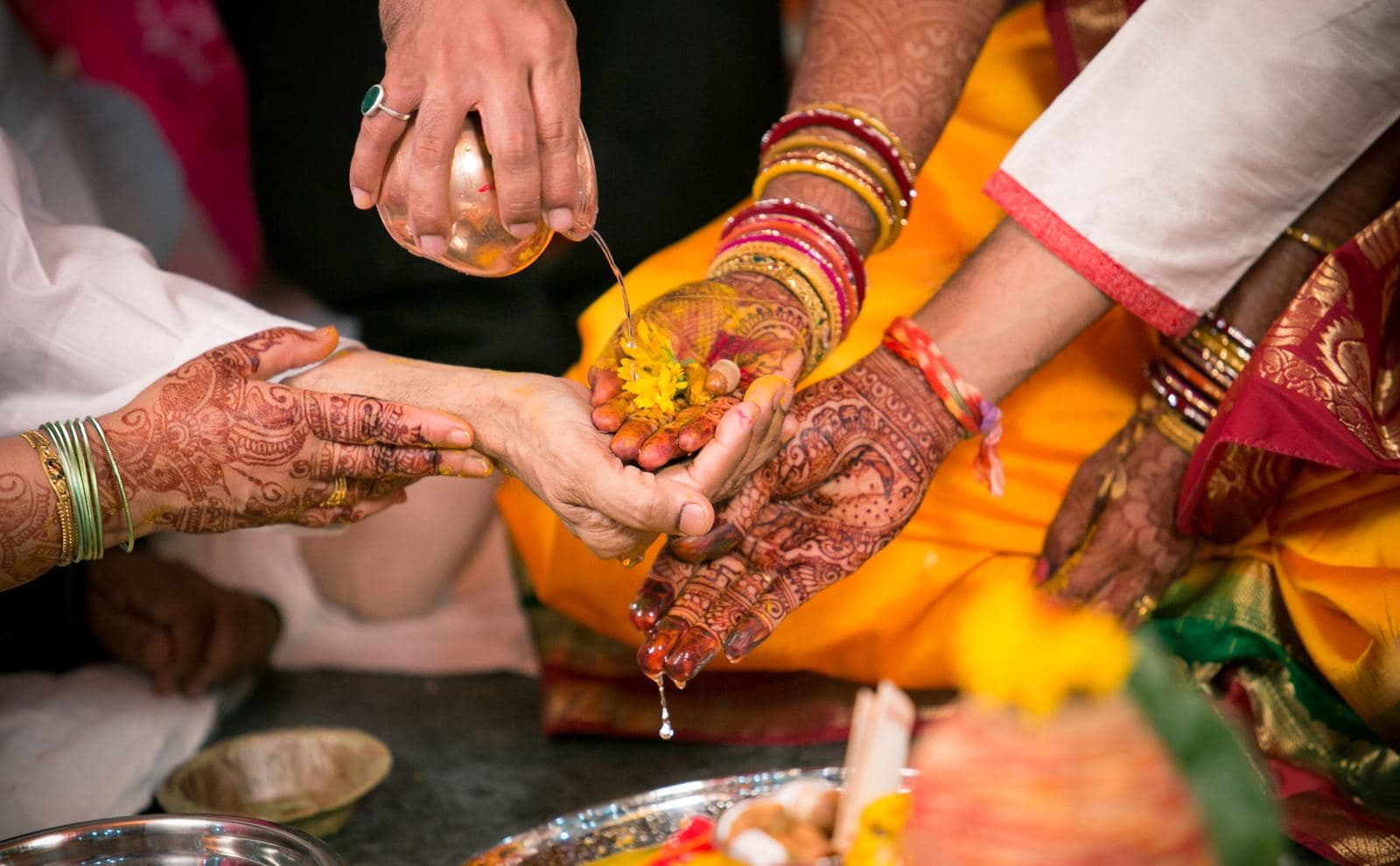
In Brahmin family matchmaking, marriage is a decision two families make together, and the biodata is the family's introduction as much as the individual's. Elders on both sides use it to check the things tradition asks them to check — gotra, sub-sect, horoscope details — while parents read between the lines for stability, values, and seriousness. Even when the first contact happens on a platform like MSMatrimony, families almost always exchange a formal biodata before horoscopes are matched and meetings are arranged.
That means the biodata is doing real work. A vague or careless one gets set aside without a reply, not because the person behind it is unsuitable, but because the reader could not tell. The goal of this guide is simple: make it easy for the right family to say yes to a conversation.
The Standard Sections
A conventional biodata for a Brahmin proposal has six parts, and readers expect to find them in roughly this order. Personal details come first: full name, age, height, and general appearance, stated plainly. Birth details follow — date, exact time, and place of birth — because horoscope matching is usually the first filter, and a missing birth time stalls everything until someone writes back to ask.
Gotra and sub-sect deserve their own clear lines: the gotra (since same-gotra matches are traditionally avoided), the sub-sect — Iyer, Iyengar, Vaidiki, Niyogi, Madhwa, or another — and the mother tongue. Many families also include the Nakshatra and Rashi here so the receiving family's astrologer has everything in one place.
Then come education and career (highest qualification with institution, current role with employer and city, and work location plans if relevant), family background (parents' names and occupations, siblings and their marital status, and the family's native place), and finally partner expectations — the section most people write worst, and the one we will spend the most time on below.
What to Include — and What to Leave Out
Include anything the other family will need before they can act: complete birth details, gotra, education, current city, and a way to contact the parent or elder handling the proposal. Include facts that will surface anyway — a previous engagement that was called off, a divorce, a significant health condition, or an unusual work situation. Disclosing these early, in one calm sentence, costs far less than having them discovered later, and in a close-knit community they are almost always discovered.
Leave out salary figures beyond a general range, property lists, and anything that reads like a balance sheet — these invite the wrong kind of interest. Leave out long ancestral histories; a line about the family's native place and traditions is enough. And leave out demands better discussed in person, such as detailed wedding preferences. A biodata that fits on one page, two at most, signals a family that knows what matters.
Photos: Recent, Clear, and Honest
One or two photographs are enough, and both should be recent — taken within the last year. Choose good natural light, a simple background, and clothing you would actually wear to meet the other family. Avoid heavy filters, sunglasses, group photos, and pictures more than a couple of years old. The test is simple: when the families eventually meet, the person who walks in should look like the person in the biodata. A flattering old photo wins a meeting and then loses the trust that meeting was supposed to build.
Tone: Specific Beats Generic
The fastest way to improve a biodata is to replace generic lines with specific ones. Nearly every biodata says something like “I am simple and family oriented.” The line is not false — it is just invisible, because everyone writes it. Compare:
Before: “I am simple and family oriented.”
After: “I work as a data analyst in Bengaluru, spend weekends learning Carnatic vocal, and visit my parents in Vijayawada every month — family time is non-negotiable for me.”
The second version says the same thing, but a reader can picture the person, and a like-minded family recognises itself in the details. Apply the same rule to partner expectations: instead of “looking for a well-educated, homely girl from a good family,” write what actually matters — “looking for a postgraduate who values daily puja at home and is open to living in Hyderabad.” Specific expectations attract fewer responses, but far better ones.
Common Mistakes That Cost Responses
Four mistakes account for most silent rejections. Vague expectations — “good family, good values” — give the reader nothing to match against, so they move on. Outdated photos create a gap between the biodata and the meeting that no first impression can recover from. Overlong family history buries the essentials; a family tree going back three generations tells the reader less than one line about how the household actually lives today. And hiding key facts — age discrepancies, an earlier marriage, a health condition — is the most expensive mistake of all, because when the fact surfaces later, the other family stops trusting everything else in the document too.
Adapting Your Biodata for an Online Profile
The same content powers a strong online profile — it just needs reshaping. On MSMatrimony, the headline does the job of the biodata's first impression: one line, concrete, and yours. “Iyengar software engineer in Chennai, Carnatic music at home, family in Kumbakonam” outperforms “Simple boy looking for life partner” every time.
The about-me section is your tone-rewritten biodata in first person: who you are on a normal weekday, what your family is like, and what you are genuinely looking for — in that order, in plain sentences. The partner preferences filters should mirror the expectations section of your biodata: set the ranges you truly care about (sub-sect, education, location) and leave the rest open, so the platform's matching surfaces people you would actually consider.
Birth details deserve special care online: enter the date, time, and place exactly as they appear in your horoscope, because Kundli matching on the platform uses them directly. A profile with complete birth details gets matched — and contacted — far more readily than one where the other family knows they will have to ask.
Biodata Section Checklist
- ✓Full name, age, height, and complexion stated plainly
- ✓Date, exact time, and place of birth for horoscope matching
- ✓Gotra, sub-sect (e.g. Iyer, Iyengar, Vaidiki, Niyogi), and mother tongue
- ✓Star (Nakshatra) and Rashi, if the family follows them closely
- ✓Highest education with institution, and current role with employer and city
- ✓Parents’ names and occupations, siblings and their marital status
- ✓One or two recent, clear photographs
- ✓Specific, honest partner expectations (three to five lines)
- ✓Contact details of the parent or elder handling the proposal
Frequently Asked Questions
How long should a marriage biodata be?
One page is ideal, two pages at most. Families reviewing many proposals spend only a minute or two on each biodata, so every line should earn its place. Keep personal, birth, education, and family details compact, and let the partner-expectations section be specific rather than long.
Should I include exact birth time and place in the biodata?
Yes. In Brahmin matchmaking, the date, time, and place of birth are essential because horoscope (Kundli) matching is usually the first filter families apply. An approximate or missing birth time delays the process, since the receiving family will have to write back and ask before any matching can happen.
What photos work best in a marriage biodata?
Use one or two recent photos, taken within the last year, in good natural light, with your face clearly visible. A simple, well-dressed look is better than heavy filters or old photos. The person the family eventually meets should look like the person in the biodata — anything else starts the relationship with a credibility gap.
Is it okay to leave out things like a previous engagement or a health condition?
Facts that will inevitably surface during family discussions — a broken engagement, a divorce, a significant health condition, or a visa situation — should be disclosed early, briefly, and without drama. Discovering such facts later damages trust far more than the fact itself, and in close-knit communities it usually does surface.
Put Your Biodata to Work
Create a free MSMatrimony profile and carry your biodata online — complete birth details for Kundli matching, a specific headline, and preferences that filter for what truly matters. Already a member? Review and strengthen your profile sections today.